體育專欄
How a G League call-up helped Detroit restore order
Pistons guard Dennis Jenkins was recalled from the G League and became a crucial puzzle piece for the team this season. Without his steady play down the stretch, the Pistons likely wouldn't have clinched an Eastern Conference playoff spot. His rise exemplifies the G League's role as an NBA talent pipeline and offers a blueprint for small-market rebuilds.
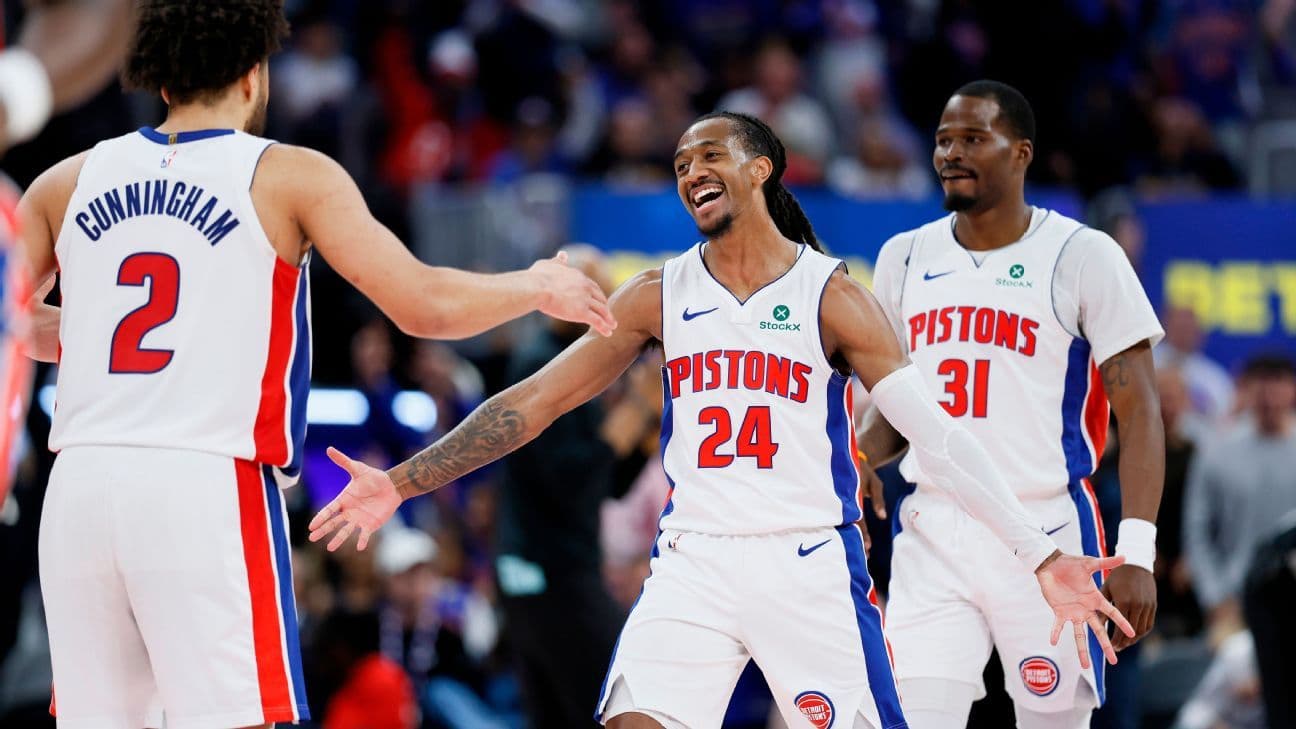
Pistons guard Dennis Jenkins was recalled from the G League and became a crucial puzzle piece for the team this season. Without his steady play down the stretch, the Pistons likely wouldn't have clinched an Eastern Conference playoff spot. His rise exemplifies the G League's role as an NBA talent pipeline and offers a blueprint for small-market rebuilds.
From Fringe Player to Core Contributor
Jenkins didn't crack Detroit's regular rotation to start the season, but during his G League stint, he averaged 18.5 points and 6.2 assists per game while shooting 39% from three. The Pistons coaching staff made an emergency recall with three weeks left in the regular season—a decision that would prove pivotal to their playoff push.
Standout Performance Down the Stretch
Jenkins' impact after his recall was immediate. Over the final eight regular-season games, he averaged 14.3 points and 4.1 assists, providing the stability the Pistons needed to lock up their playoff position and ultimately reach the conference semifinals.
The G League Model and Small-Market Blueprint
Detroit's success this season sets a precedent for league teams with limited resources. By developing talent through the G League, monitoring player growth curves, and promoting standouts to the NBA stage at the right moment, even small-market franchises can compete in a crowded Eastern Conference. This blueprint demonstrates that smart player development can level the playing field in today's NBA.
分享:
Comments
0 / 2000
Loading…