อาร์เจนตินา vs สเปน รอบชิงชนะเลิศฟุตบอลโลก: ระบบควบคุมลูกบอล ปะทะ กลยุทธ์โจมตีแบบตอบโต้ สี่เส้นที่ซ่อน 'รหัสลับแชมป์
อาร์เจนตินา vs สเปน รอบชิงชนะเลิศฟุตบอลโลก: ระบบควบคุมลูกบอล ปะทะ กลยุทธ์โจมตีแบบตอบโต้ สี่เส้นที่ซ่อน 'รหัสลับแชมป์
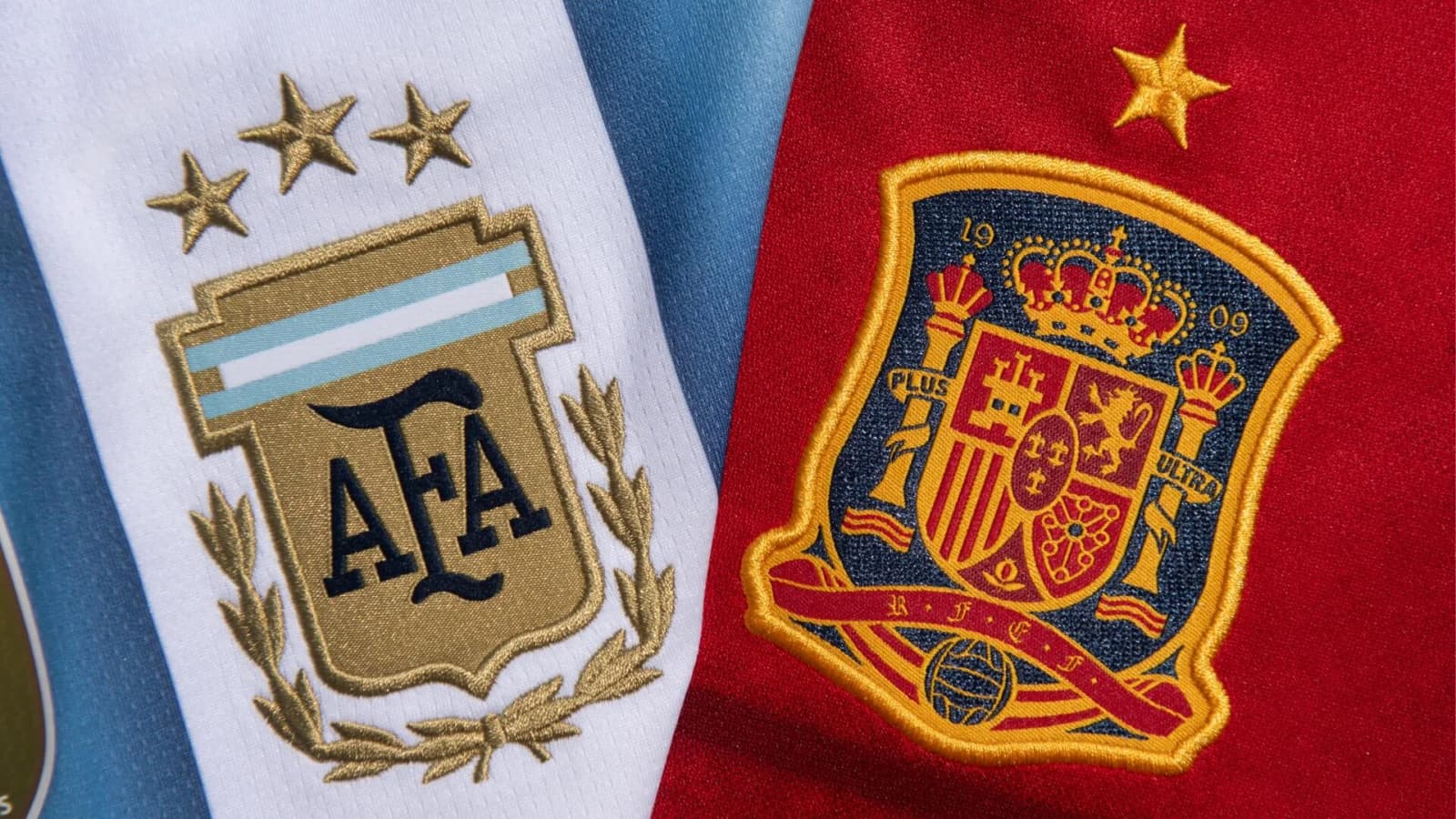
ในวันอาทิตย์นี้ สนามรอบชิงชนะเลิศฟุตบอลโลก อาร์เจนตินาและสเปนจะปะทะกันท่ามกลางความสนใจของโลก นี่ไม่ใช่แค่นัดเตะระหว่างสองทีมเท่านั้น แต่เป็นการชนกันเต็มไปด้วยปรัชญาฟุตบอลสองแบบ - ด้านหนึ่งคือทีมชาติอเมริกาใต้ที่เน้นวินัยและการเปลี่ยนแปลงอย่างรวดเร็ว อีกด้านหนึ่งคือตัวแทนยุโรปที่นับถือการควบคุมลูกบอลและความรู้สึกในการวางตัว ตั้งแต่ประตูกวานมาจนถึงเส้นหน้า สี่เส้นของทั้งสองฝ่ายจะตัดสินว่าใครจะได้ยกถ้วยดาวยิงทองแท้
ประตูกวาน: ความเสถียรคือตัวแปรสำคัญ
แรงดันของรอบชิงชนะเลิศจะขยายจุดแข็งและจุดอ่อนของประตูกวานแต่ละคน จากประวัติศาสตร์ ประตูกวานอเมริกาใต้มักแสดงความเชี่ยวชาญในการพาดพิงและการจัดการเมื่อเผชิญหน้าเสมอหน้า ซึ่งเกี่ยวข้องกับสภาพแวดล้อมของลีกอเมริกาใต้ที่เน้นการต่อสู้ทางกายภาพและการเปลี่ยนแปลงการโจมตี-ป้องกันอย่างรวดเร็ว ในขณะเดียวกัน ประตูกวานยุโรปมีประสบการณ์มากขึ้นในการส่งออกลูกบอลเชื่อมและการสั่งการป้องกันจากด้านหลัง ช่วยทีมเปิดตัวการโจมตีจากพื้นที่ด้านหลัง
ในสนามรอบชิงชนะเลิศ สิ่งที่ทดสอบมากที่สุดไม่ใช่เทคนิคพาดพิงเอง แต่คือคุณภาพจิตใจ ในประวัติศาสตร์รอบชิงชนะเลิศฟุตบอลโลกหลายครั้ง ประตูกวานเคยสร้างชื่อเสียงจากการเก็บลูกโทษ นี่เตือนแฟน ๆ ว่า หากการแข่งขันเข้าสู่ชั่วโมงพิเศษหรือการยิงลูกโทษ การตัดสินใจของประตูกวานอาจสำคัญกว่าตัวแสดงในการแข่งขันปกติ
สำหรับทีมผู้ฝึกสอน การติดต่อสื่อสารระหว่างประตูกวานและเส้นป้องกัน การจัดสถานที่ในเพลย์โยธิเป็นจุดสำคัญของการวิเคราะห์วิดีโอ ข้อผิดพลาดใด ๆ ในการสื่อสารก็อาจขยายใหญ่ไม่รู้จบในสภาพแวดล้อมแรงกดดันของรอบชิงชนะเลิศ
เส้นป้องกัน: ความต้านทานแรงกดดัน vs ความสามารถในการส่งออก
เส้นป้องกันของอเมริกาใต้เช่นเดิมอาศัยการต่อสู้ทางกายภาพของเบค์มิดฟิลด์กลางและความสามารถในการอ่านเกม พร้อมกับการรันแบบเข้มข้นของเบ็คข้างสร้างปรัชญาป้องกันที่ยืนขึ้นบนความแข็งแกร่ง ระบบนี้ได้ผลดีเมื่อเผชิญกับฝ่ายตรงข้ามที่ชอบการทำลายโดยตรง แต่เมื่อเผชิญกับการแทรกซึมแบบสัมผัสลูก ความเร็วของการเคลื่อนไหวข้างและการแทนกันจึงเป็นการทดสอบที่แท้จริง
เส้นป้องกันยุโรปสร้างขึ้นจากการกดดันทั้งทีมและกับดักออฟไซด์ คุณภาพการส่งออกของเบ็คมิดฟิลด์มักเป็นขั้นตอนแรกของการเปิดตัวการโจมตี ซึ่งหมายความว่า เมื่อฝ่ายตรงข้ามกดดันจากหน้า การส่งออกหนึ่งนัดของเส้นป้องกันก็ง่ายตกเป็นการสูญเสีย นำไปสู่การเปลี่ยนจากการป้องกันเป็นการโจมตี
ในรอบชิงชนะเลิศ ความสามารถของเส้นป้องกันทั้งสองที่รักษาสมาธิในครึ่งหลังที่พลังลดลง จะเป็นจุดแบ่งน้ำแบ่งธรรม ประสบการณ์จากการแข่งขันในอดีต ประตูที่เสียมักรวมตัวอยู่ที่นาทีที่ 70-90 การเปลี่ยนแปลงของพลังกายและสมาธิที่แตกต่างกันไม่ควรมองข้าม
เส้นกลาง: คอมมูนิตี้ควบคุมลูกบอลเป็นสนามรบหลัก
เส้นกลางมักเป็นเสาจากสูงของการควบคุมจังหวะเกม หากทีมชาติอเมริกาใต้เลือกใช้โครงสร้างเซนตรัลฟิลด์แบบ 3 คน เพื่อปิดกั้นเส้นทางการส่ง ร่วมกับการส่งโดยตรงอย่างรวดเร็ว ก็สามารถบีบคั้นพื้นที่สิ่งก่อสร้างแบบสัมผัสลูกของทีมชาติยุโรป บังคับให้ฝ่ายตรงข้ามตัดสินใจเมื่อไม่มีเวลา
ในทางกลับกัน ทีมชาติยุโรปที่เน้นการควบคุมลูกบอล หน้าที่หลักของเซนตรัลฟิลด์คือการส่งแบบเสี้ยนจนกระทั่งลดพลังของฝ่ายตรงข้าม จากนั้นตามหาช่องว่างข้างลำตัว แบบเล่นนี้ขึ้นอยู่กับจิตสำนึกเชื่อมต่อระหว่างผู้เล่นเซนตรัลฟิลด์และความรู้เรื่องพื้นที่ เมื่อฝ่ายตรงข้ามตัดปลายการส่ง จังหวะการโจมตีก็หยุดชะงัก
สิ่งที่ควรสังเกต ในเสี้ยนการต่อสู้เส้นกลางระดับรอบชิงชนะเลิศ มักไม่ใช่การแข่งขันทั้งในแนวทางเทคนิคเท่านั้น แต่ยังรวมถึงการต่อสู้จิตใจด้วย - ใครจะแพ้ฝ่ายตรงข้ามในการต่อสู้ทางกายภาพและการชิงลูกอากาศ มักจะสร้างข้อได้เปรียบจิตใจ ส่งผลต่อวิถีการแข่งขันทั้งนัด
เส้นหน้า: ความระเบิดของดาวยิง vs การร่วมงานของทีม
เส้นหน้าของอเมริกาใต้มาจากประวัติศาสตร์ เรื่องเทคนิคส่วนบุคคลและความสามารถในการยิงประตูปลายเกม ความสามารถของดาวยิงในการแล่นทะลุในพื้นที่แคบมักสามารถเปิดตัวการ突破มาในวิกฤตการณ์ ข้อดีของวิธีเล่นนี้ที่พึ่งพาทักษะส่วนบุคคลคือความไม่สามารถคาดการณ์ได้สูง ฝ่ายตรงข้ามยากจะจำกัดได้ทั้งหมดโดยกลยุทธ์รวมทีม
เส้นหน้าของทีมชาติยุโรปเน้นการรันตำแหน่งและจิตสำนึกการร่วมงาน ผ่านการเปลี่ยนตำแหน่งไขว้และการ one-two เพื่อฉีกเส้นป้องกัน พยายามใช้การร่วมงานของทีมมาชดเชยความแตกต่างของทักษะส่วนบุคคล ประสิทธิผลของแบบเล่นนี้ขึ้นอยู่กับการปฏิบัติตามคำสั่งกลยุทธ์ของทั้งทีม หากคนใดคนหนึ่งมีความเข้าใจแตกต่าง การโจมตีก็ง่ายเป็นแบบเสมอ
สนามรอบชิงชนะเลิศมาโดยเสมอคือเวทีอีดีบอลสำหรับดาวยิง ในประวัติศาสตร์รอบชิงชนะเลิศฟุตบอลโลกหลายครั้ง ผลชนะหรือพ่าย่อยเกี่ยวข้องกับแวบสุดเลิศของผู้เล่นรายบุคคลอย่างยิ่ง นี่ยังทำให้แฟนๆรอคอยการปรากฏตัวของเส้นหน้าของทั้งสองฝ่ายในช่วงเวลาสำคัญ
บริบททางประวัติศาสตร์: ชัยชนะและชะตากรรมสานเดียว
ประเพณีฟุตบอลของอาร์เจนตินาและสเปนมีความลึกซึ้งแต่ละประการ ทีมชาติอาร์เจนตินาเคยยืนอยู่บนจุดสูงสุดของฟุตบอลโลกหลายครั้ง ทักษะริมลู่ของฟุตบอลอเมริกาใต้และความทดเยียวของทีมเกิดจากความมั่นใจในการชนะ สเปนสร้างเอกสิทธิ์ในช่วงต้นศตวรรษที่ 21 ด้วยระบบสถาปนาควบคุมลูกบอล พิสูจน์ให้เห็นว่า ฟุตบอลวิธีเทคนิคก็เช่นกันสามารถสร้างความสำเร็จในวิหารสูงสุดของโลก
การเปิดเผยสองสไตล์เป็นการเหนือขึ้นไปด้านการถกเถียงปรัชญาฟุตบอล - ความต่อสู้ทางกายภาพและทักษะส่วนบุคคล สามารถปราบทำให้เงียบ โครงสร้างควบคุมลูกบอลที่เน้นความอดทนและการสร้างพื้นที่ ได้หรือไม่ คำถามนี้ไม่มีข้อวินิจฉัย แต่นี่คือสิ่งที่ทำให้รอบชิงชนะเลิศนี้สาระน่าดึงดูด
มองไปข้างหน้า: ใครจะยิ้มไปจนจบ
เมื่อสรุปการวิเคราะห์สี่เส้น รอบชิงชนะเลิศนี้มีแนวโน้มว่าจะเป็นการชกฉวัดไม่เศษ ปัจจัยหลักของชัยชนะอาจอยู่ในช่วงเวลาไม่กี่วินาที - ความพลาดของการป้องกันเพลย์โยธิ การตัดลูกสำคัญของเส้นกลาง หรือแวบหนึ่งของเส้นหน้า
ไม่ว่าผลลัพธ์สุดท้ายจะเป็นอย่างไร รอบชิงชนะเลิศนี้จะเขียนบันทึกสุดท้ายของฟุตบอลโลกครั้งนี้ และจะพิสูจน์อีกครั้งว่า บนสนามกีฬาฟุตบอล ไม่เคยมีฝ่ายต้านที่มีข้อได้เปรียบแน่นอน มีเพียงแต่ใครจะควักมือคว่ำโอกาสว่องไวที่กำลังจะคลี่คลายออกไป
分享: